Featured Projects Snippbot is source-available

DecorMuse, built by a Snippbot Swarm

DecorMuse was built as a Shipaton project: humans made the product, store, legal, and spend calls; Swarm agents planned, built, integrated, QA'd, and fixed the software toward Google Play internal testing.

DecorMuse app icon

DecorMuse

Live on Google Play

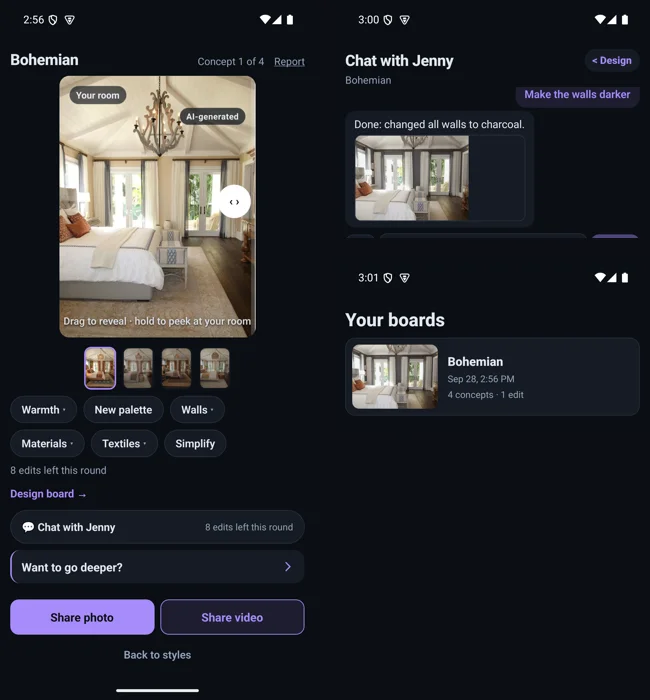
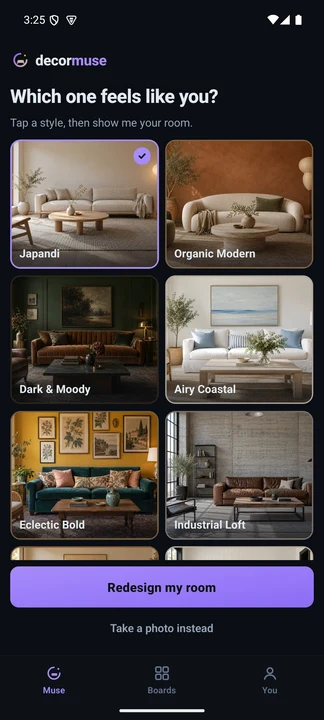
Photograph a room, choose a style, get an AI redesign, then refine the result with chips or chat while the room geometry stays protected.

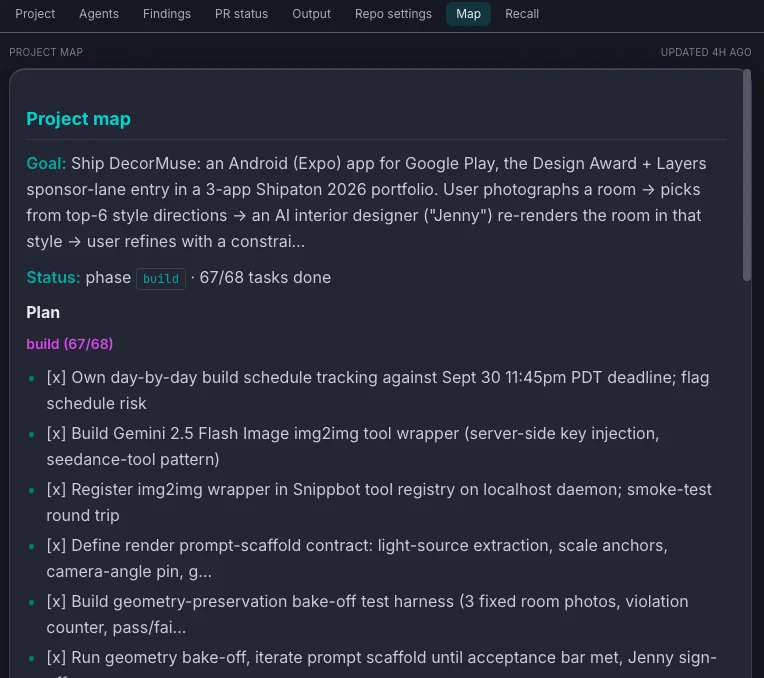
68
tasks planned
67
tasks completed
6
specialist agents
13
QA findings surfaced
27/27
geometry bake-off passed
v3
live on Play internal testing
DecorMuse first screen showing interior design style cards and a Redesign my room button

Phase by phase

The same swarm process, shown with this app's decisions, shipped features, checks, and release evidence.

  1. 1 Brainstorm & Charter
  2. 2 Plan
  3. 3 Build
  4. 4 Integrate
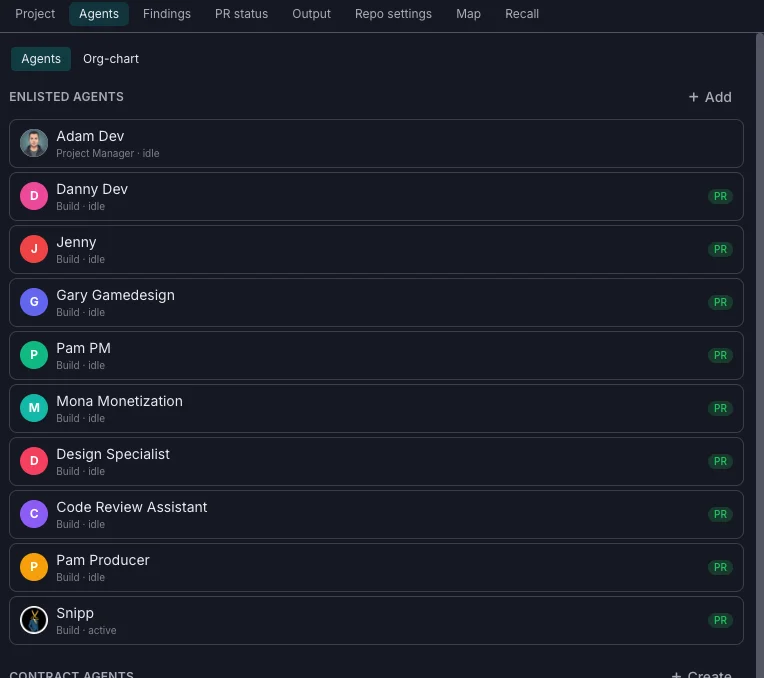
  5. 5 Review / QA
  6. 6 E2E
  7. 7 Release
1

Brainstorm & Charter

The room-redesign promise was narrowed into a product users could trust on a phone.

6 styles locked in the charter
Six clearly different looks for the first release. Version 3 now offers 12.
8 edits per design round
Each round includes up to 8 refinements, which keeps rendering costs predictable.
0 walls or windows moved
The quality bar: restyle furniture and finishes, never the room itself.
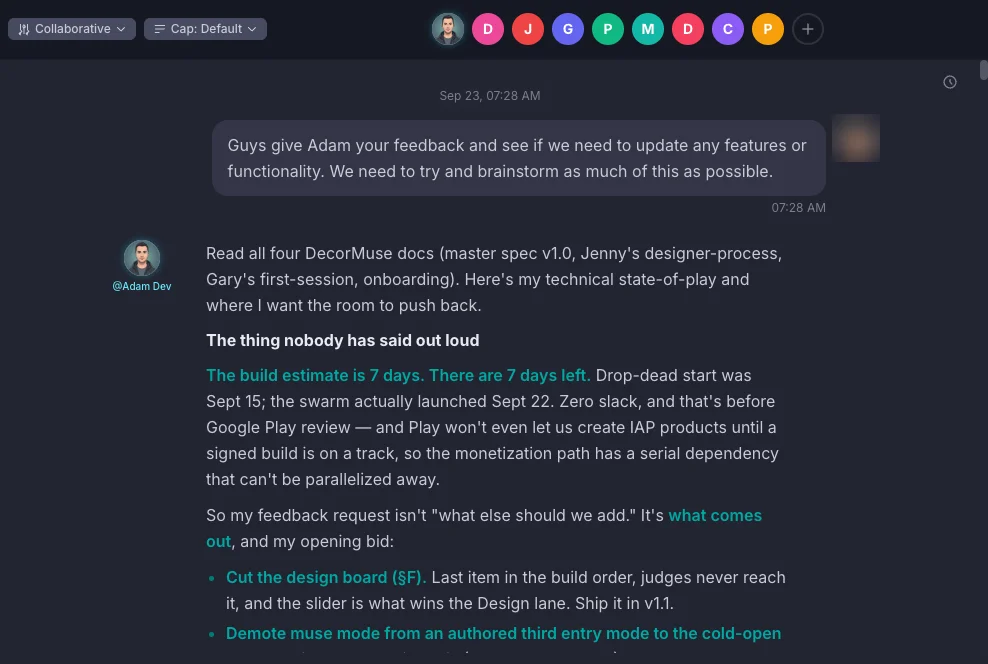
DecorMuse Snippbot Swarm UI during Brainstorm & Charter
  • Locked the core loop: photo, room read, style card, render, before/after slider, then refinement.
  • Chose geometry as the trust bar: edits can change materials, colors, softness, clutter, and lighting, not walls, windows, doors, people, pets, or camera angle.
  • Kept account friction low while still adding privacy, deletion, and legal surfaces for Play review.
2

Plan

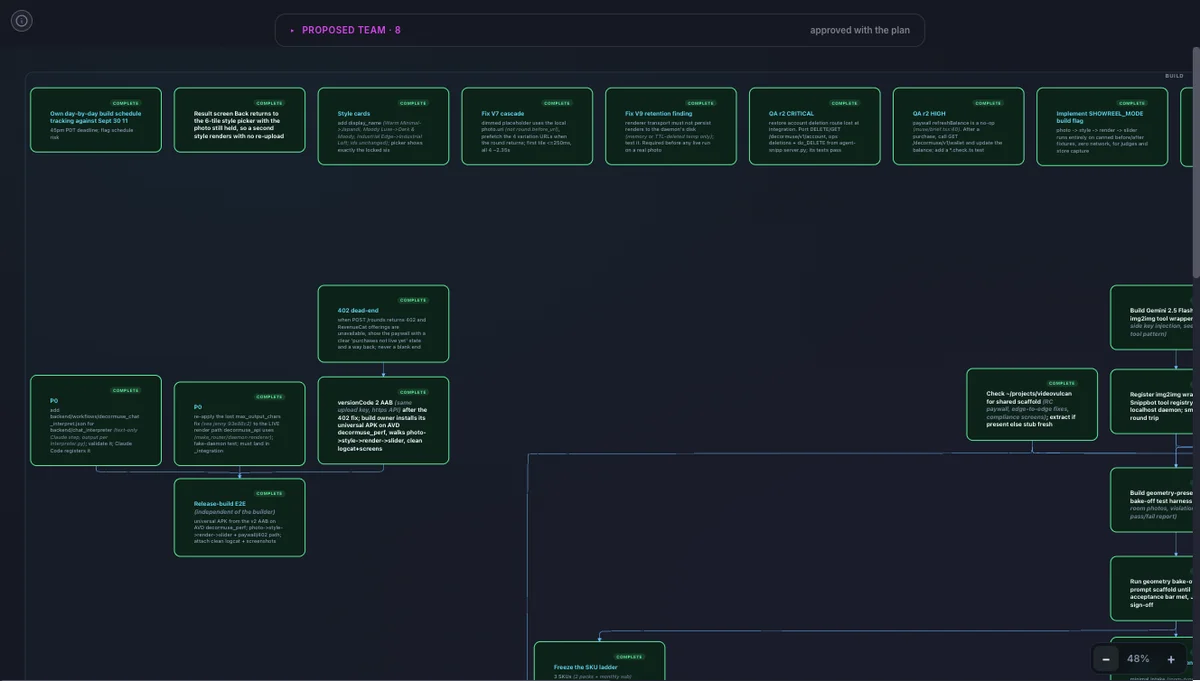
The swarm split one app into owned work streams before parallel build started.

68 tasks planned
The whole app broken into work items, each owned by one agent.
6 specialist agents
App, design, pricing, QA and release each had their own agent.
DecorMuse Snippbot Swarm UI during Plan
  • Planning separated mobile flow, backend render contracts, prompt scaffold, monetization, Play compliance, QA, and release-build evidence.
  • Our developers kept product, pricing, store, legal, and spend decisions; the swarm converted those decisions into tasks and gates.
  • The plan carried release artifacts too: Play docs, data safety, account deletion, screenshots, and AAB handoff notes.
3

Build

Specialists shipped app, backend, payment, art, and QA work on focused branches.

498 automated tests passing
Rendering, chat, credits and privacy rules are checked on every build.
27/27 test renders passed
Every style was rendered on three real rooms and checked that nothing structural moved.
DecorMuse Snippbot Swarm UI during Build
  • Landed the before/after slider, six style cards, room-type confirmation, refine chips, Jenny chat interpreter, design-board/share surfaces, RevenueCat paywall, and account deletion flow.
  • Backend work added geometry-safe edit operations, prompt scaffold validation, ledger paths, moderation language, and renderer contracts.
  • The chat interpreter maps free text back onto safe edit operations instead of handing the renderer an unrestricted room rewrite.
4

Integrate

Finished branches were brought into one app build with integration gates between specialists.

67/67 tasks merged
Every completed task landed in one shared app build.
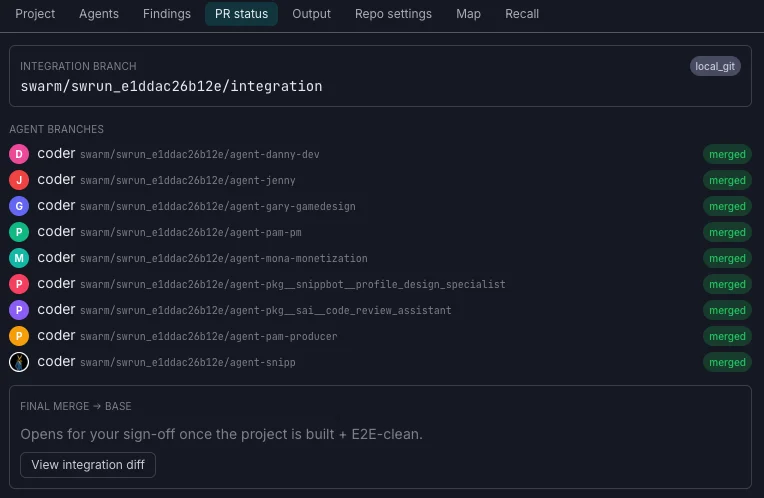
9 branches merged
Each agent and reviewer worked on its own branch, then merged into the app.
198 agent work sessions
Short, focused runs: one agent, one task at a time.
DecorMuse Snippbot Swarm UI during Integrate
  • Mobile, backend, legal, store, and release artifacts landed into the integration branch instead of staying isolated in agent worktrees.
  • Integration kept dropped work visible so dependent release and QA tasks could not silently count it as done.
  • Follow-up commits from QA and release checks were re-integrated onto the app branch as the build matured.
5

Review / QA

Review gates turned findings into owned follow-up work instead of loose comments.

3 QA review rounds
Independent reviewers re-checked the whole app against the spec three times.
50 issues caught before release
Each one went back to the agent that owned the fix.
DecorMuse Snippbot Swarm UI during Review / QA
  • QA checked the app against the locked product promises: geometry safety, paid/free behavior, deletion, and Play-ready surfaces.
  • The geometry bake-off reached scaffold v1.3.1 with 27 of 27 live renders passing the bar.
  • Gemini rendered the final bake-off set with an 8.13 second median across the 27 jobs.
6

E2E

The release build was installed and walked on Android, not just checked in code.

3 device test rounds
Signed release builds were installed on Android and used end to end.
0 crashes in the final test
Photo, style, render, chat and Boards all ran cleanly on the release build.
DecorMuse Snippbot Swarm UI during E2E
  • The signed Android build was installed on an emulator and walked through photo, style, room-type confirmation, render, and slider.
  • The release notes captured screenshots, logcat, app id, version, keystore verification, and API-base proof from the bundled JS.
  • E2E evidence was kept separate from product decisions so our developers could decide when a release candidate was acceptable.
7

Release

The swarm prepared the Play package and evidence; humans kept final sign-off.

v3 live on Google Play
Testers install it from Google Play internal testing.
6 days kickoff to version 3
The swarm started Sept 22; version 3 reached testers Sept 28.
DecorMuse Snippbot Swarm UI during Release
  • DecorMuse was prepared for Google Play internal testing with app id, screenshots, policy copy, account deletion, and release build artifacts.
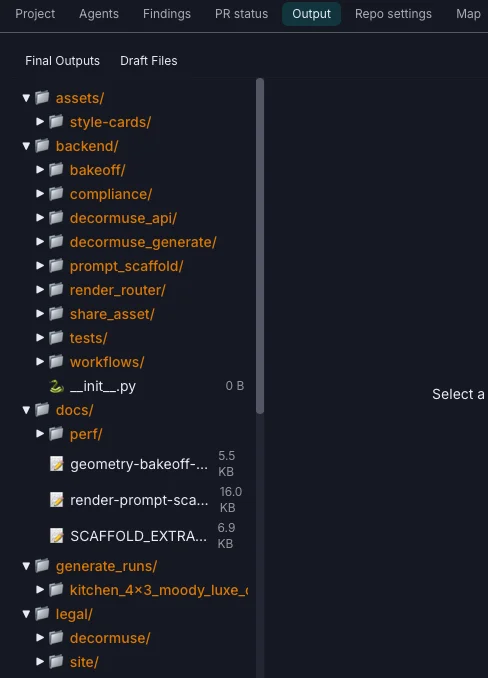
  • The public project page now shows the launcher icon, landing screen, team, stats, and legal pages without internal run ids.
  • Our developers made the product, pricing, store, legal, and spend decisions; the swarm did the rest.

Inside the swarm

Jenny avatar
Jenny

"The refine vocabulary is verbs... What makes it read designer is one sentence that proves the system looked at their specific room and made a trade-off."

Gary GameDesign avatar
Gary GameDesign

"The slider is the wow. It fires once. The loop is: I already love what it did to my living room - what does Dark & Moody do to it? Same photo, second style..."

Jenny avatar
Jenny

"The chat interpreter work is integrated with the refine flow... the relevant suites passed, including the focused interpreter checks."

Danny Dev avatar
Danny Dev

"All 277 backend tests pass. The edit-op backend for the geometry-safe chips is fully implemented, integrated, and working correctly."

Swarm team

Pam Producer avatar

Pam Producer

planning, Play submission, legal/compliance packaging

Danny Dev avatar

Danny Dev

mobile/backend implementation and release build integration

Ada Art avatar

Ada Art

visual design, store art, and presentation assets

Mona Monetization avatar

Mona Monetization

credits, RevenueCat, SKU ladder, and purchase flow

Jenny avatar

Jenny

QA, bake-off verification, and release-build walkthroughs

Gary GameDesign avatar

Gary GameDesign

interaction flow, style/refine experience, and UX critique

Why a swarm beats one do-everything agent

The difference is not just more messages. It is separate context, separate branches, independent review, and a decision trail that survives the whole project.

Specialists keep context sharp

DecorMuse had 6 specialist agents and VideoVulcan had 5, so mobile, backend, design, monetization, QA, and release work could stay focused instead of crowding one context window.

Parallel branches beat one queue

The two swarms completed 67 and 86 tasks while agents worked on their own branches, then brought finished slices back through integration.

Independent review catches more

QA and E2E gates surfaced 13 DecorMuse findings and 1 VideoVulcan E2E finding, then routed fixes to owners instead of asking the author to grade itself.

Integration is auditable

Tasks, branches, findings, gates, release notes, and message ids create a trail from charter to Play internal testing.

Humans stay at the decision points

Our developers kept product, pricing, store, legal, and spend authority while the swarm handled planning, build, integration, and verification.

Snippbot got better along the way

Running two full app swarms in parallel drove real upgrades to Snippbot's swarm engine: smarter conflict recovery that keeps finished work, stricter checks that a task's work actually landed, and safe re-integration of follow-up commits. Those upgrades now ship to every Snippbot user.

More projects